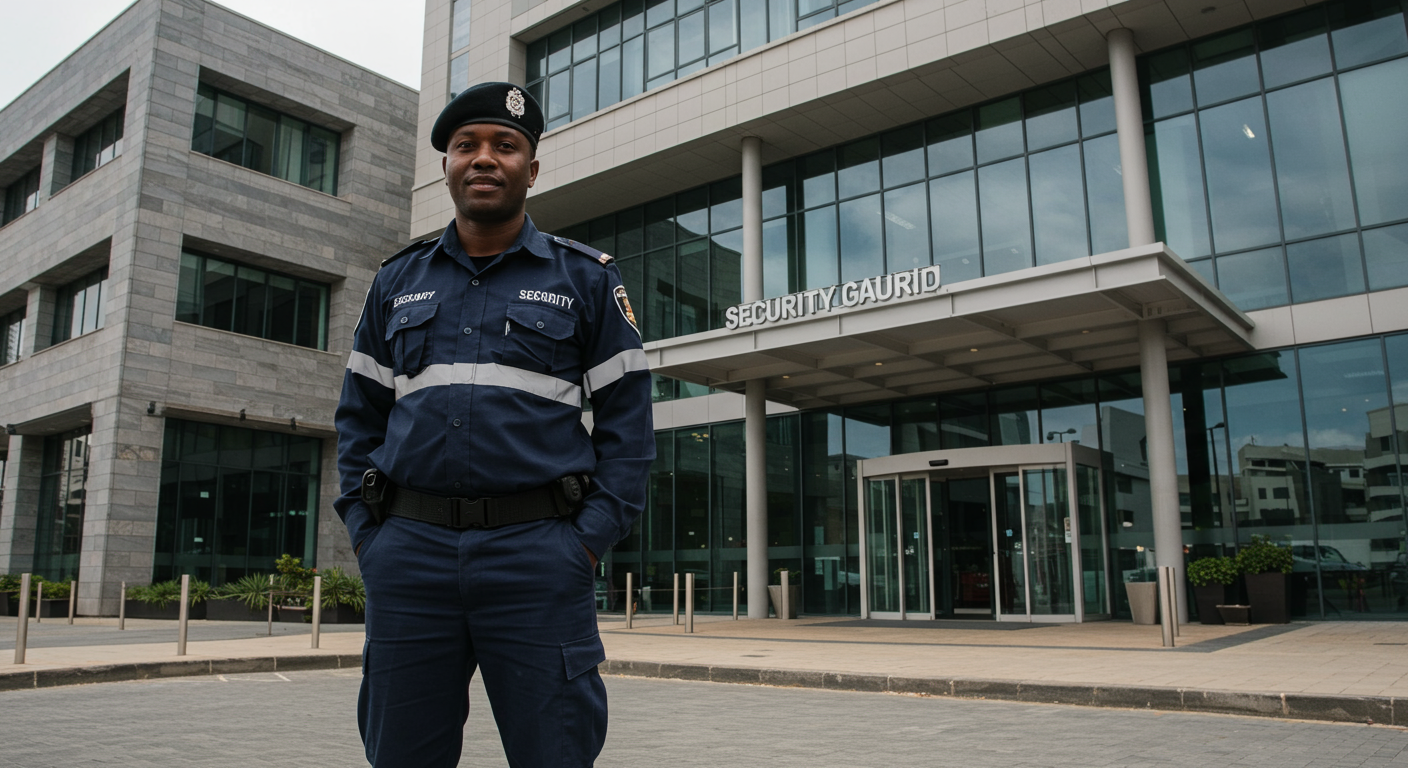
If you've been looking for work in Cape Town, you've probably noticed how many security jobs come up. It's one of the city's largest employment sectors — and for good reason. Every shopping centre, office park, residential estate, and construction site needs security personnel. The demand isn't seasonal or trendy; it's constant.
But not all security jobs are the same. The pay varies widely, the requirements differ, and some roles lead to genuine career progression while others don't. Here's an honest breakdown of what's available, what you'll earn, and how to get started.
What security companies are hiring in Cape Town
The big names — ADT, Fidelity, G4S, and Bidvest Protea Coin — are always recruiting. They run operations across the city and regularly need guards, response officers, and control room operators. But don't overlook the smaller companies. Independent security firms that manage estates in Constantia, Camps Bay, and Hout Bay often pay better and offer more predictable shifts.
There's also a growing number of tech-focused security companies in Cape Town that need CCTV operators and monitoring staff. These roles sit in control rooms rather than on-site, and they tend to offer slightly better working conditions.
Salary ranges you can actually expect
Let's cut through the vague promises. Here's what security roles in Cape Town currently pay:
- Grade E security guard — R5,600 to R6,500 per month. This is the starting point, and the hours are long.
- Grade C security officer — R5,500 to R8,000 per month. Most corporate sites and shopping centres require this minimum.
- Armed response officer — R8,000 to R12,000 per month. You'll need a firearm competency and Grade B PSIRA registration.
- Control room operator — R7,000 to R10,000 per month. Night shifts usually come with a premium.
- Site manager / shift supervisor — R10,000 to R16,000 per month. Experience and Grade A registration required.
Overtime is common in this industry, especially during holidays and events. Some officers earn significantly more than their base salary when overtime is factored in.
Requirements and how to get registered
PSIRA registration is non-negotiable. You can complete your Grade E training in about a week through accredited providers in Cape Town. The training covers access control, patrolling, and basic emergency procedures. Grade C and above take longer but open up better-paying positions.
Beyond PSIRA, employers look for a clear criminal record, physical fitness, and reliability. If you've been burned by job scams before, stick to companies you can verify through PSIRA's online register.
Where to look for security vacancies
National job boards are cluttered with listings from Johannesburg and Durban. For Cape Town-specific security positions, browse our security category — every listing targets the local market. You can filter by suburb, shift type, and whether the role requires armed response certification.
The Bellville and CBD areas consistently have the most openings, but don't rule out the Winelands area — estates and farms in Stellenbosch and Paarl need security too, and the commute may be worth it for a better package.
Career progression in private security
Security isn't a dead end if you approach it right. Many site managers started as Grade E guards and worked their way up. The path typically goes: guard, senior guard, shift supervisor, site manager, then operations manager at a regional level.
Specialising also helps. Control room positions overlap with customer service skills. If you're tech-savvy, CCTV and alarm monitoring roles pay better and involve less physical exposure.
Some officers also transition into driving roles — cash-in-transit and VIP protection require armed response experience and a clean driving record.
Night shifts, day shifts, and what to expect
Most security work in Cape Town operates on 12-hour shift rotations. Day shifts run roughly 06:00 to 18:00, night shifts the reverse. You'll typically work a pattern — two days on, two off, or four on, four off — depending on the company.
Night shifts usually attract a small premium, but the real consideration is the commute. Public transport in Cape Town is limited after hours, so many night-shift officers rely on company transport or their own vehicles. Factor this into your decision when looking at positions in areas like Montague Gardens or Airport Industria.
Common mistakes when applying
Don't apply without valid PSIRA documentation. Companies can't legally employ you without it, and they won't wait while you sort it out. Keep your registration current and carry your card.
Also, be honest about your availability. If you can't work weekends or public holidays, say so upfront. Security staffing is built around coverage, and companies value reliability above almost everything else.
If you're ready to start looking, check the latest security vacancies in Cape Town. New positions are posted daily.