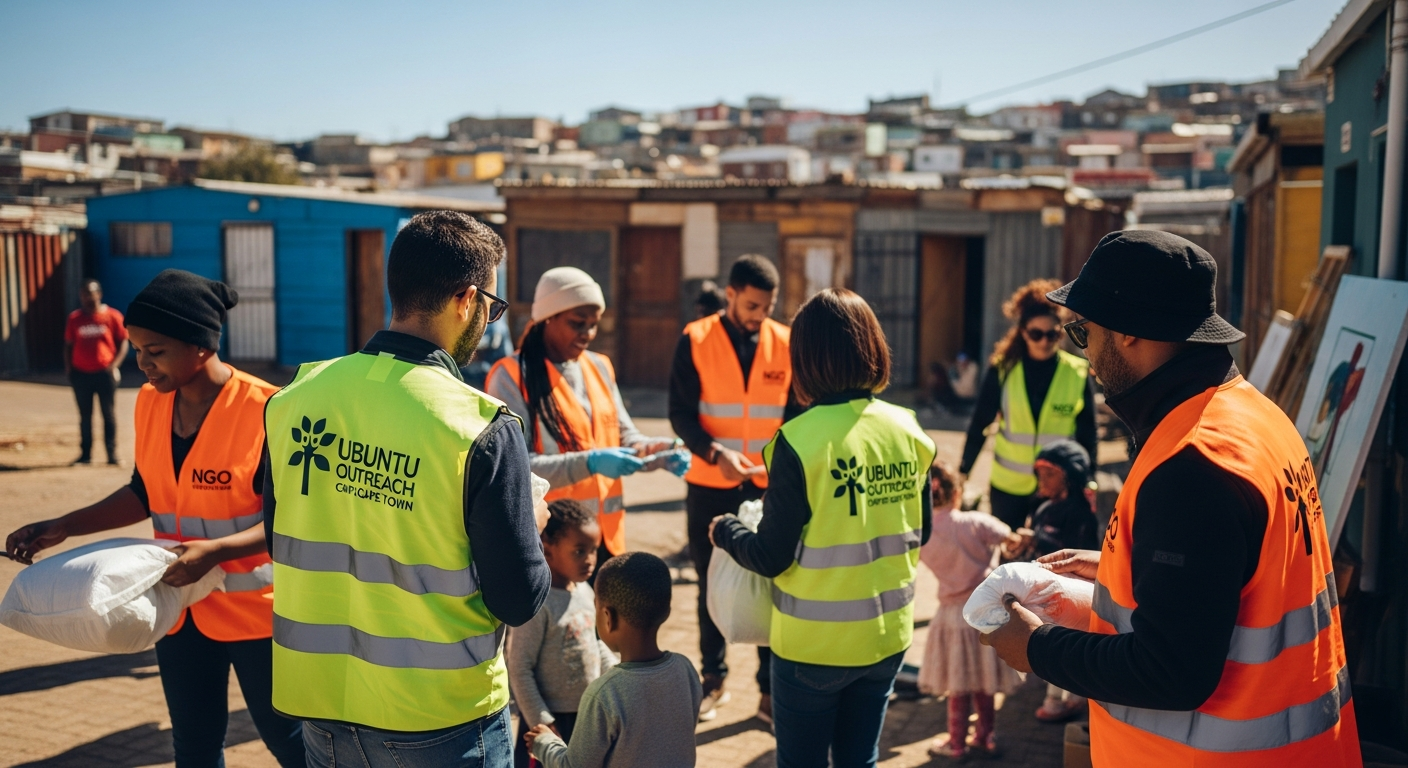
Cape Town has one of the most active NGO sectors in Africa. From large international organisations with offices in the CBD to small community-based projects in Khayelitsha, Mitchell's Plain, and Langa, the non-profit world employs thousands of people in the city.
The work is meaningful, but let's be honest about the trade-offs: NGO pay is generally lower than the private sector, funding is often uncertain, and the emotional demands can be heavy. If you go in with realistic expectations, it can be one of the most rewarding career paths available.
Types of NGO work in Cape Town
Community development — Working directly with communities on education, health, housing, or economic development. Fieldworkers, community facilitators, and project coordinators fall into this category. You'll spend more time in communities than in an office.
Social services — Social workers, counsellors, and case managers working with vulnerable populations — children, the elderly, abuse survivors, and people with disabilities. These roles require formal qualifications (a social work degree is essential for registered social workers).
Education and youth development — After-school programmes, tutoring initiatives, mentorship projects, and education support. Several large organisations in Cape Town focus specifically on youth development in underserved communities.
Health and HIV/AIDS — Cape Town remains a centre for health-focused NGOs. Community health workers, peer educators, programme managers, and M&E (monitoring and evaluation) officers are consistently needed.
Environmental conservation — From marine conservation along the coast to urban greening projects in townships. Organisations like SANBI, SANParks (Table Mountain), and various marine research groups employ staff in Cape Town.
Administration and operations — Every NGO needs admin staff, finance officers, fundraisers, and communications people. These "behind the scenes" roles are often easier to get into than programme work.
Who's hiring in Cape Town's NGO sector
Some of the larger employers:
- The Red Cross — Health, disaster response, and community resilience programmes across the Western Cape.
- Médecins Sans Frontières (MSF) — Medical and public health projects. Their Cape Town office handles operations across southern Africa.
- Grassroots organisations — Dozens of smaller NGOs like Ikamva Youth, Waves for Change, RLabs, and Soil for Life work at community level and hire locally.
- Foundations — The DG Murray Trust, Raith Foundation, and others fund and sometimes directly employ programme staff.
- International organisations — UNICEF, WHO, and various UN agencies have Western Cape operations.
Getting into the NGO sector
Breaking into non-profit work often follows a different path than corporate job hunting:
- Volunteer first — Many NGO employees started as volunteers. It's the fastest way to understand the sector, build relationships, and prove your commitment.
- Network intentionally — The Cape Town NGO community is tight-knit. Attend sector events, join forums, and connect with people on LinkedIn.
- Start with what you have — If you have accounting skills, NGOs need finance managers. If you're good at marketing, NGOs need communications officers. Your existing skills transfer — you don't need to start over.
- Consider internships — Several NGOs offer structured internships that lead to permanent positions. The pay during internships is lower, but the experience is valuable.
The pay question
NGO salaries are lower than equivalent private sector roles — typically 20-40% less. But there are trade-offs that matter:
- The work is meaningful — you see direct impact on people's lives.
- Work-life balance is often better than the corporate world (though crunch periods exist).
- International NGOs pay competitive salaries that rival the private sector.
- Benefits often include generous leave policies, training opportunities, and flexible working arrangements.
If salary is your primary motivation, the private sector is a better fit. If purpose, impact, and community matter as much as money, the NGO sector in Cape Town has a lot to offer.